
Fashion blogging looks effortless from the outside: a few outfit photos, a caption, and somehow an income. In reality, successful fashion bloggers run small media businesses with several income streams working together. The outfits are the content. The money comes from what is built around them.
So how do fashion bloggers make money? This guide breaks down the nine main ways, what each one involves, which suit beginners and how to combine them.
The Short Answer
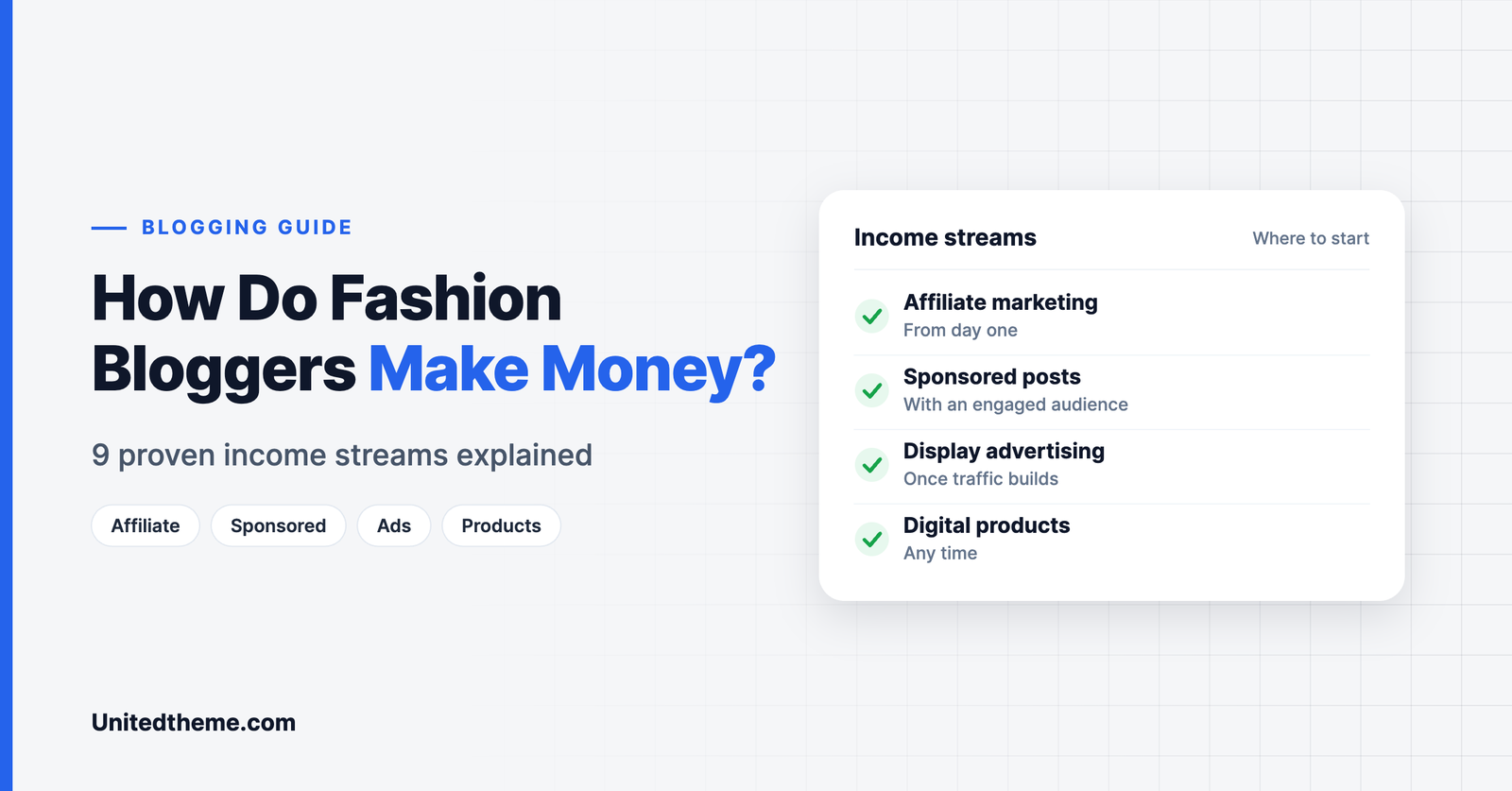
Most fashion bloggers earn from a mix of affiliate commissions, sponsored content and advertising, and later add their own products or services. Few rely on a single source. Income usually grows in stages as the audience grows.
| Income stream | When to start | Effort | Notes |
|---|---|---|---|
| Affiliate marketing | From day one | Low to medium | Earn a commission on sales you refer |
| Sponsored posts | Once you have an engaged audience | Medium | Brands pay for features |
| Display advertising | Once traffic builds | Low | Income scales with page views |
| Brand ambassadorships | With an established profile | Medium | Longer-term brand deals |
| Digital products | Any time | High upfront | Guides, presets, courses |
| Styling services | Any time | High | Sell your expertise directly |
| Own product line | With a loyal audience | Very high | Highest risk and reward |
| Content creation for brands | Any time | Medium | Paid for content, not reach |
| Memberships and newsletters | With loyal readers | Medium | Recurring income |
1. Affiliate Marketing
Affiliate marketing is where most fashion bloggers earn their first income. You link to a product, and if a reader buys through your link, you earn a commission at no extra cost to them.
It fits fashion naturally. Readers already want to know where your jacket is from. “Shop the look” sections, seasonal wish lists and gift guides are all affiliate content.
How to start: join the affiliate programs of retailers you already buy from, or an affiliate network that works with many fashion brands. Link to products you would recommend anyway.
Tip: evergreen posts such as “best white trainers” or “capsule wardrobe essentials” keep earning from search traffic long after you publish them.
2. Sponsored Posts and Brand Collaborations
In a sponsored post, a brand pays you to feature its product in a blog post, video or social content. This is often the largest income source for established fashion bloggers.
Brands look at more than follower counts. They want an engaged audience that matches their customer, a consistent style and professional content.
How to start: create a simple media kit with your audience numbers, reader profile and past work. Pitch brands you already wear.
Important: always disclose sponsored content clearly. Advertising rules in many countries require it, and readers trust bloggers who are open about paid partnerships.
3. Display Advertising
Ads placed on your blog pay based on how many people see or click them. Income is modest at low traffic and becomes meaningful as page views grow. Many premium ad networks require a minimum level of monthly traffic before they accept a site.
Tip: ads slow pages down and can clutter a design. Use a fast theme and place ads with restraint, so they do not push readers away.
4. Brand Ambassadorships
An ambassadorship is a longer relationship with a brand, typically several months, with regular content in return for a fee, products or both. These deals offer steadier income than one-off posts and usually come after successful individual collaborations.
5. Digital Products
Selling your own digital products means you keep most of the revenue and you are not dependent on brands. Popular options for fashion bloggers include:
- Style guides and lookbooks.
- Capsule wardrobe planners.
- Photo editing presets.
- Online courses on styling, thrifting or blogging itself.
- Printable checklists for packing or wardrobe audits.
A digital product takes effort to create once and can then sell repeatedly.
6. Styling and Consulting Services
Your blog is proof of your taste, which makes it a strong shop window for services:
- Personal styling and wardrobe edits.
- Personal shopping.
- Virtual styling sessions.
- Consulting for small fashion brands on content or social media.
Services earn well from the start, even with a small audience, because you are selling expertise instead of reach.
7. Launching Your Own Product Line
Some bloggers go on to launch clothing, accessories or beauty products. This offers the greatest potential, along with the greatest risk and workload: design, production, stock, shipping and customer service. It makes most sense when you have a loyal audience that already asks what you would make.
8. Creating Content for Brands
Brands need a constant supply of photos and short videos for their own channels. Many pay creators to produce this content without requiring it to be posted to the creator’s audience. Because payment is for the content itself, even bloggers with small followings can earn this way if their photography is strong.
9. Memberships and Paid Newsletters
Loyal readers will sometimes pay for more: a members-only newsletter, early access to sales picks, private community access or exclusive guides. Recurring income is valuable because it is predictable.
How Much Do Fashion Bloggers Earn?
There is no reliable average. Earnings range from nothing to a full-time income and beyond, depending on audience size, niche, engagement and how many income streams a blogger has built. Most bloggers earn little in the first months. Treat it as a business that takes time to build, and be skeptical of anyone promising fast results.
What You Need Before You Can Earn
- A clear niche. “Fashion” is too broad. Sustainable fashion, petite style, workwear, vintage or plus-size fashion each attract a specific reader, and specific brands.
- Your own website. Social platforms change their rules and reach without warning. A blog is an asset you own, and it is where affiliate links and search traffic work best.
- Consistent, useful content. Posts that answer real questions keep bringing in readers.
- An email list. It is the most direct way to reach your audience.
- Good photography. Fashion is visual. Clear, well-lit images matter more than expensive equipment.
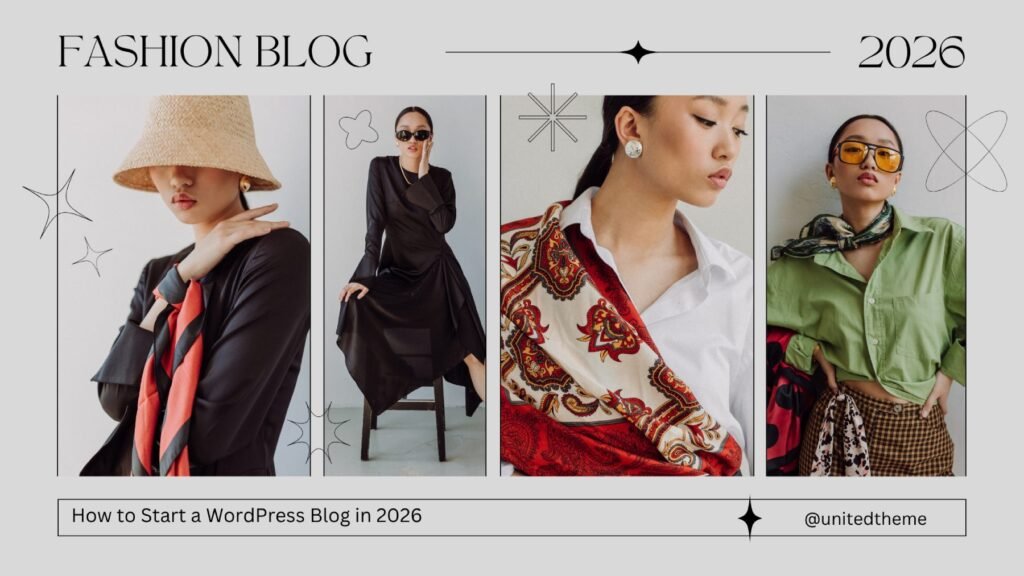
Our step-by-step guide on how to start a fashion blog covers choosing a niche, setting up WordPress and growing your first audience.
Setting Up Your Blog to Earn
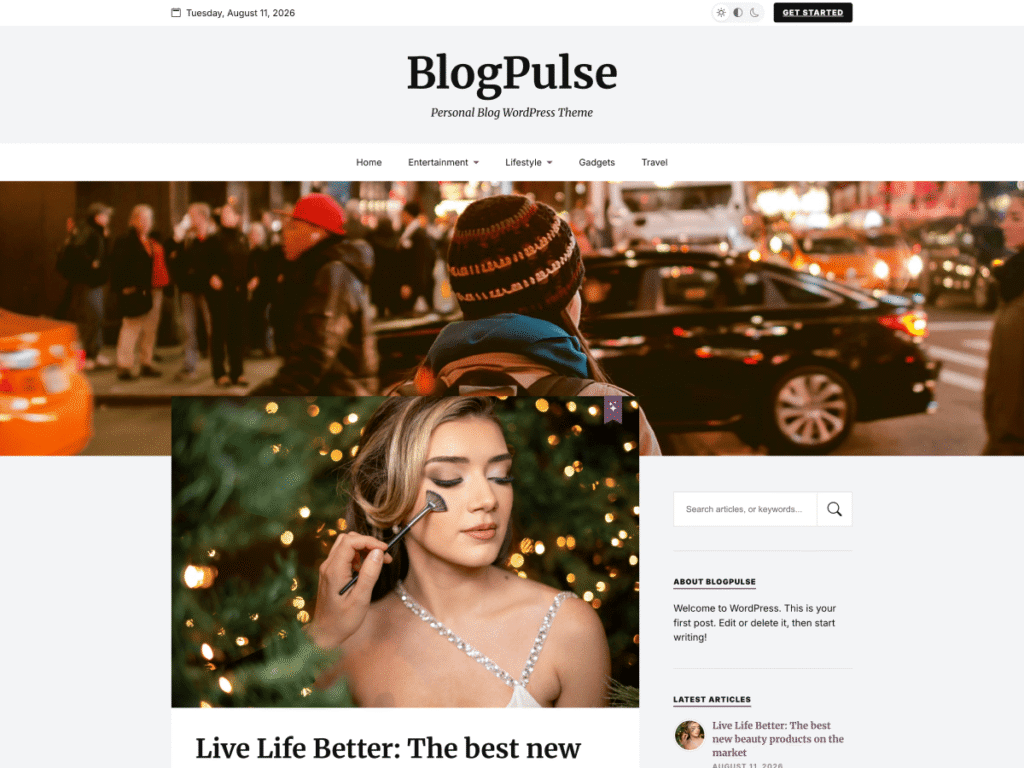
- Choose a fast, image-friendly theme. See our lists of the best minimal WordPress blog themes and the best WordPress photography themes.
- Compress your photos. Large images slow a fashion blog quickly. Read WebP vs PNG vs JPEG.
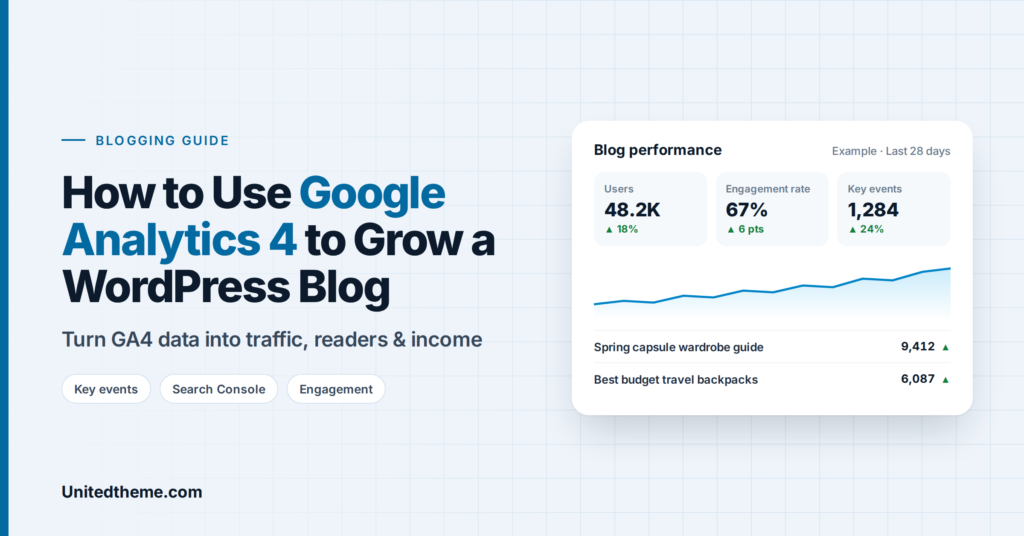
- Track what readers click. Our guide to using Google Analytics 4 to grow a WordPress blog shows how to find your best-performing posts.
- Add a newsletter sign-up from the first day.
How to Pitch Brands as a Fashion Blogger
Waiting for brands to find you is slow. Most paid collaborations begin with a pitch from the blogger.
- Choose brands that fit. Pitch labels you already wear and that match your readers’ style and budget.
- Find the right contact. Look for a marketing, partnerships or public relations email address instead of a general enquiries inbox.
- Keep the email short. Introduce yourself in a sentence, say why you like the brand and explain what you are proposing.
- Offer a specific idea. “A styling post showing three ways to wear your trench coat” is more persuasive than “I would love to collaborate”.
- Include your numbers. Share your monthly readers, social following, engagement and audience profile.
- Attach or link your media kit.
- Follow up once after a week if you have not heard back.
Expect many pitches to go unanswered. That is normal, and each one improves the next.
What to Put in a Media Kit
A media kit is a one or two page summary of your blog for potential partners. It should include:
- A short introduction to you and your blog’s niche.
- Audience numbers: monthly page views and visitors, email subscribers and followers on each platform.
- Audience profile: age range, location and interests.
- Engagement: average comments, likes or click-through rates.
- Examples of past work, with results where you have them.
- What you offer: sponsored posts, social content, product photography, event coverage.
- Rates, or a note that rates are available on request.
- Contact details.
Update it every few months as your audience grows.
How Fashion Bloggers Set Their Rates
There is no standard price list, and rates vary widely by audience size, niche and country. These factors usually shape a quote:
- Reach. How many people will see the content.
- Engagement. A smaller, highly engaged audience can be worth more than a large, passive one.
- Deliverables. One blog post costs less than a post plus several social videos.
- Usage rights. If a brand wants to reuse your photos in its own advertising, that should cost more.
- Exclusivity. Agreeing not to work with competing brands for a period limits your income, so charge for it.
- Production time. Include shopping, styling, shooting, editing and writing.
A practical approach is to work out the time a project will take, decide what your time is worth and then adjust for reach and usage rights. Raise your rates as your results improve.
Disclosure and Legal Basics
Rules differ between countries, so check the guidance where you live. In the United States, for example, the Federal Trade Commission publishes guidance for influencers. In general:
- Disclose paid partnerships clearly, at the start of the content, not hidden at the end.
- Disclose affiliate links. A short statement near the top of a post is the usual approach.
- Disclose gifted items, even when you were not paid.
- Keep records of income, including the value of gifted products where your tax rules require it.
- Use written agreements for paid work, covering deliverables, deadlines, payment and usage rights.
- Only use images you have the right to use.
Being open about commercial relationships protects you legally and keeps your readers’ trust, which is the asset every income stream depends on.
Common Mistakes That Hold Fashion Bloggers Back
- Relying on one platform. An account can lose reach or disappear. A blog and an email list give you stability.
- Promoting everything. Recommending products you do not believe in damages trust quickly.
- Working for free for too long. Gifted collaborations are fine at the start. Set a point at which you begin charging.
- Ignoring search traffic. Posts that answer questions, such as what to wear to a specific occasion, bring readers for years.
- Inconsistent posting. Readers and algorithms both reward a regular schedule.
- Not tracking results. If you do not know which posts earn, you cannot make more of them.
- Copying bigger bloggers. Your own point of view is what makes brands and readers choose you.
Tools That Help Fashion Bloggers Earn
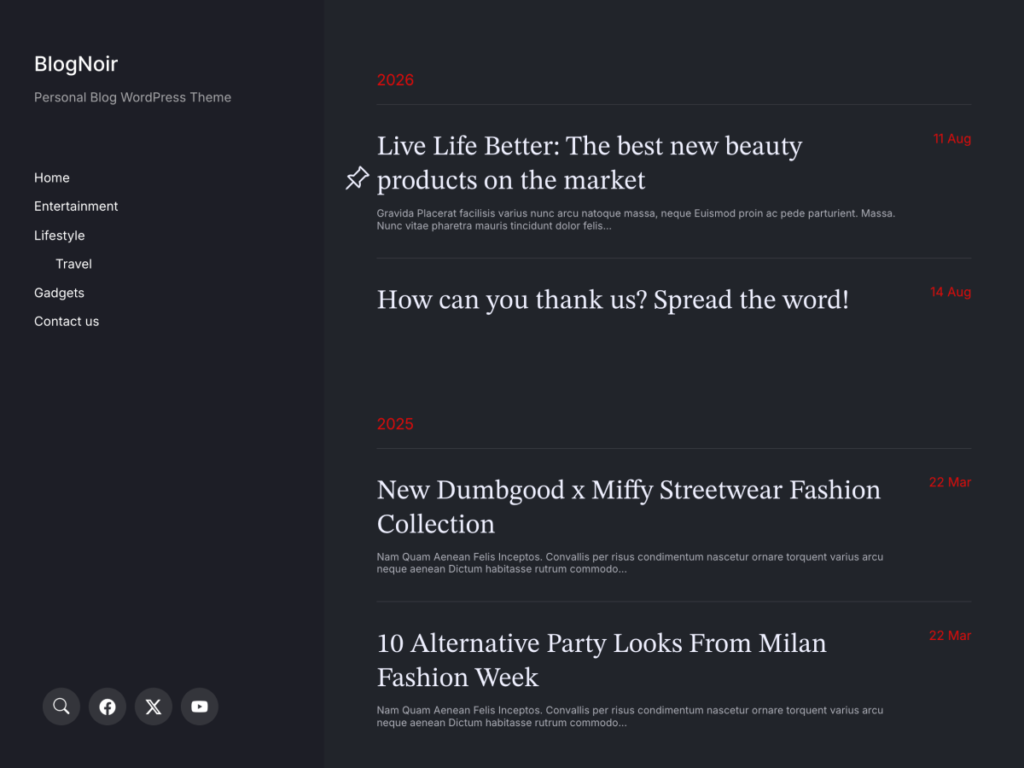
- A fast, image-friendly WordPress theme, so your photos look good and pages load quickly.
- An affiliate link manager, to keep links organized and easy to update.
- An email marketing service, to build and write to your list.
- Analytics, to see which posts bring visitors and clicks.
- A photo editing app, for a consistent look.
- A scheduling tool, to plan posts ahead of busy periods.
- A simple invoicing or accounting tool, to track income and send professional invoices.
A Realistic Path for Beginners
Stage 1: build the foundation. Publish consistently, define your niche and add affiliate links to helpful posts.
Stage 2: grow and diversify. As traffic builds, apply for an ad network, pitch your first sponsored collaborations and start your email list.
Stage 3: build your own offers. Create a digital product or service, so your income does not depend entirely on brands and algorithms.
Frequently Asked Questions
How do fashion bloggers get paid?
Mainly through affiliate commissions, fees for sponsored content, advertising revenue and sales of their own products and services.
How many followers do you need to make money as a fashion blogger?
There is no fixed number. Affiliate links, services and content creation for brands can earn with a small audience. Sponsored posts and advertising grow with reach and engagement.
How long does it take to make money from a fashion blog?
Expect several months of consistent work before meaningful income, and longer to replace a salary.
Do fashion bloggers get free clothes?
Often, yes. Brands send products in the hope of coverage. Gifted items should be disclosed, and they are not a substitute for payment.
Is fashion blogging still worth it?
Yes, for people who treat it as a business, choose a clear niche and build several income streams.
Final Thoughts
Fashion bloggers make money by turning attention into several income streams: affiliate links first, then sponsorships and advertising, and eventually products and services of their own. Start with a clear niche and a blog you own, publish content that helps your readers and add income streams as your audience grows. Ready to begin? Read how to start a fashion blog and make money.
Leave a Reply